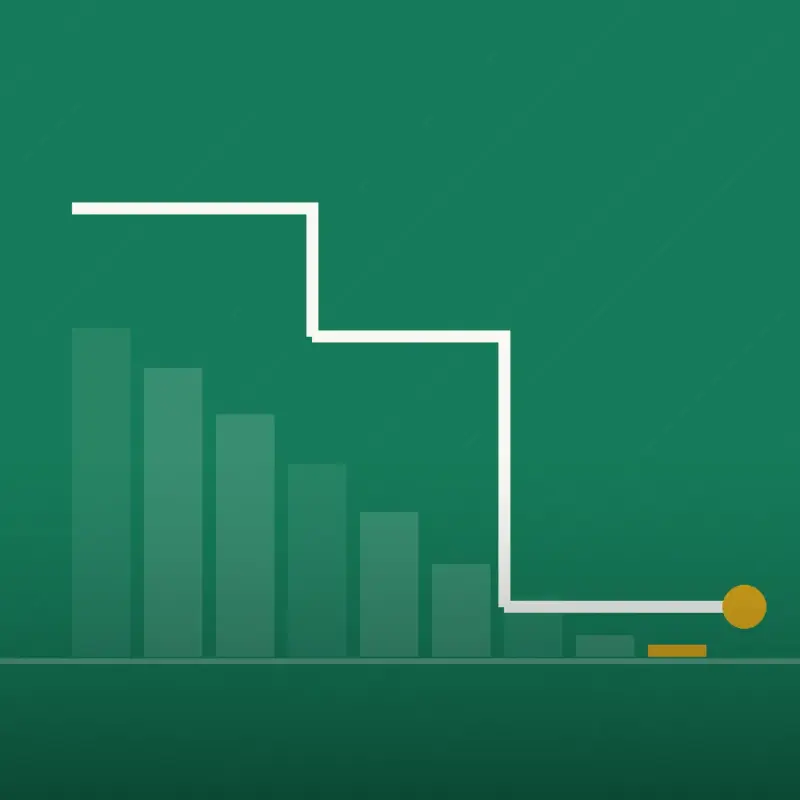
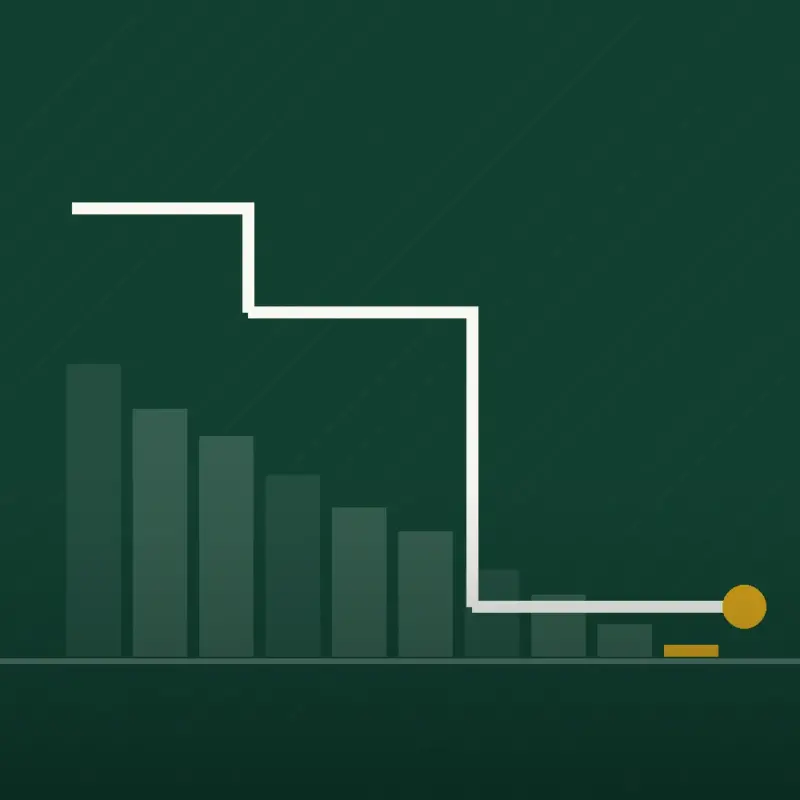
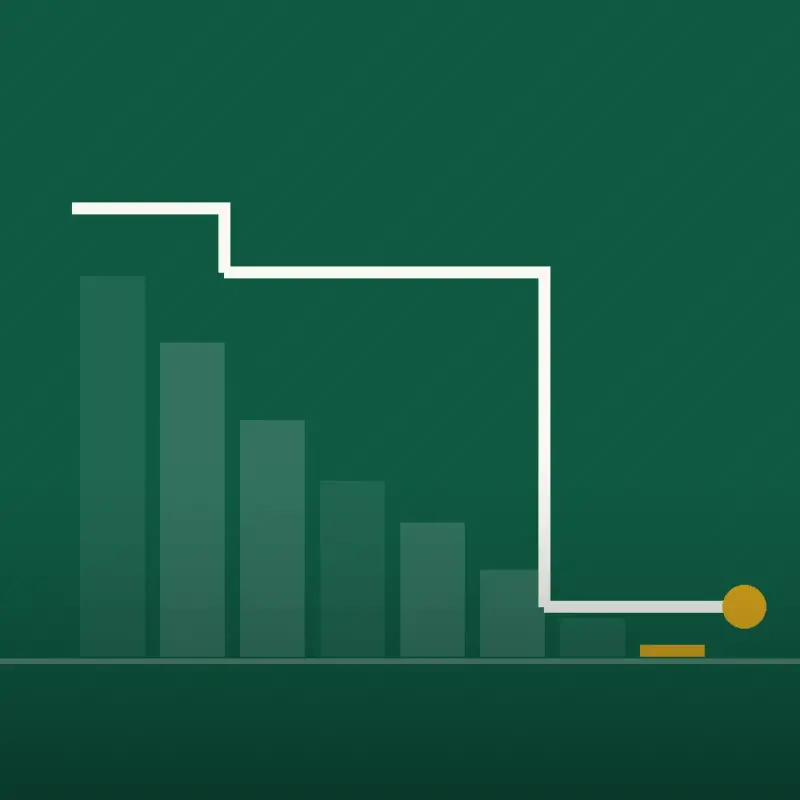
At 22.15 percent the term depends on the payment as a share of the balance, not on the balance. Two percent a month takes 141 months and costs 2.8 times…
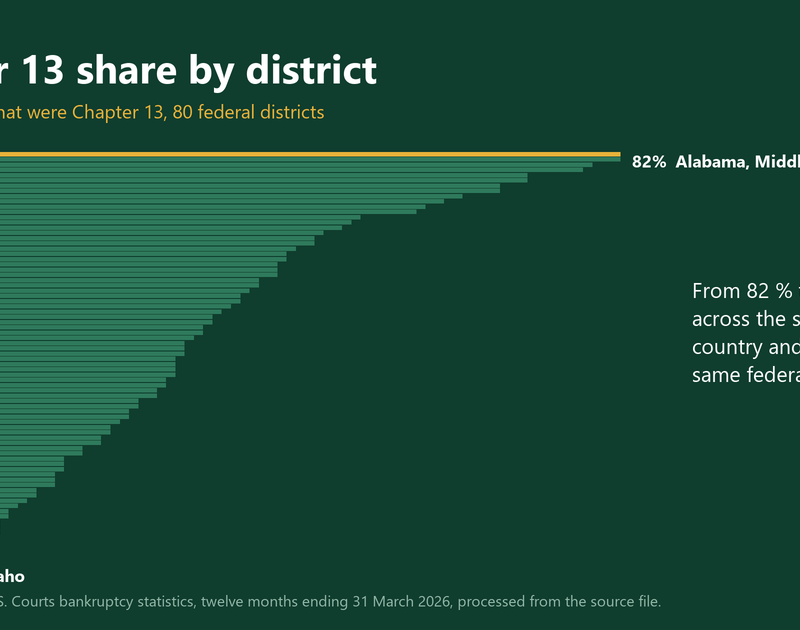
Chapter 7 is faster and cheaper; Chapter 13 does what 7 cannot. Plus the federal filing data: 36.9% of consumer cases are Chapter 13 nationally, 82.1% in one district and…
Five different things sold under one phrase. Plus the federal record: money comes back in 14.35% of card complaints and 0.13% of collection complaints.
Forgiveness is real, and every route to it costs something. Plus the federal record: 13,322 card complaints a year end with money back, against 410 collection complaints.
No federal program pays or forgives credit card debt. Here is what the bureau's own complaint file does contain: seven issue categories, 324,326 complaints, none of them a program.
The full pro se Chapter 7 sequence: prerequisites, documents, forms, fee waiver, and the four cases where self-filing goes badly. Plus the district data that decides how routine your case…
There is no dollar limit: you are measured against your state median over a six-month window. Seventy thousand dollars passes in 28 of 55 jurisdictions.
You keep it if the equity is exempt and you stay current. Plus the districts where 82.1% of consumer filings are the chapter that can cure mortgage arrears.
Reaffirm, redeem or surrender - plus the variable nobody mentions: the repayment chapter is 82.1% of consumer filings in one district and 8.1% in another.
14.35% of credit card complaints close with money against 0.13% of collection complaints, 113.6 times. Which is an argument for negotiating before the sale.
The free program issuers do not advertise, what to say on the call, and why only 1,333 of 92,805 federal card complaints are about being unable to pay.
Chapter 13's share of consumer bankruptcies by federal district, rebuilt from the June 2026 court release: 36.9% nationally, 82.1% in one district and 8.1% in another, plus filings per head…
Waiting periods run from discharge, and 62.8% of the 608,511 cases filed in the year to June 2026 were Chapter 7. Which clock most buyers are actually on.
Three tests answer it, and none of them is a national average. Plus what the Federal Reserve's 1.35 trillion revolving credit total can and cannot tell you.
Five different things sold under one phrase. Plus the federal record: money comes back in 14.35% of card complaints and 0.13% of collection complaints.
Forgiveness is real, and every route to it costs something. Plus the federal record: 13,322 card complaints a year end with money back, against 410 collection complaints.
No federal program pays or forgives credit card debt. Here is what the bureau's own complaint file does contain: seven issue categories, 324,326 complaints, none of them a program.
Answer before the deadline on the summons. Plus who the plaintiff usually is: the four firms drawing the most federal collection complaints are all debt buyers.
Five routes out of a wage garnishment, in order of speed. Plus what comes first in the federal record: 81,464 of 324,326 collection complaints are legal action.
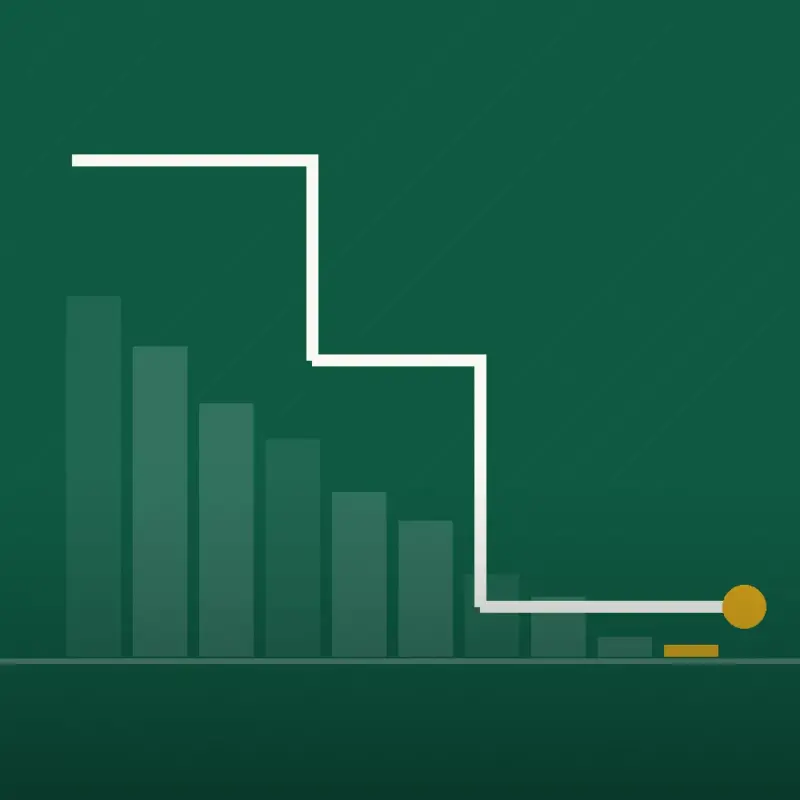
At 22.15 percent, interest alone is 92.29 dollars a month on a five-thousand balance. Below that the balance rises, and that is the real floor of any plan.
Rank by consequence, not by pressure. And the federal record shows what a skipped bill becomes: 6,200,165 credit reporting complaints against 324,326 about collection.
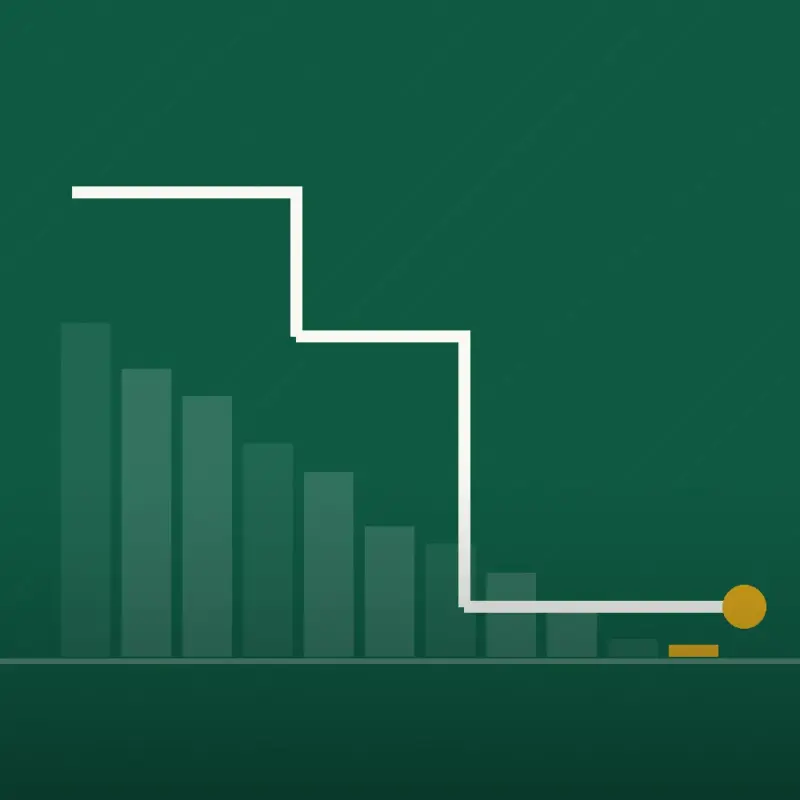
Measured at 29 payment levels: the order you pay in is worth 134 to 1,020 dollars, and the amount you pay is worth 17,124. Both numbers, one portfolio.
It combines debts into one payment and does not reduce what you owe. Whether it helps is one comparison, and the Federal Reserve measures both sides of it.
The rate gap is 10.29 points, and on twenty thousand dollars it is worth 2,373 over two years or 6,637 over five. A lower payment is not the same thing.
The Chapter 7 threshold for one person runs from $30,665 in Puerto Rico to $88,585 in Washington. At $50,000 you are under it in 52 of 55 jurisdictions.
Medical collections are treated differently from every other debt — a waiting period, a dollar threshold, and removal once paid. What that means for you.
Charity care, itemized billing errors and the No Surprises Act: three routes that cut the bill before you pay a cent. Apply even if it is in collections.
The federal courts logged 382,161 Chapter 7 filings in a year. The CFPB closed 410 collection complaints with money. Two routes of very different scale.
The stack above is measured against the balance. Paying the same balance at 22.15 percent adds 7,553 dollars over three years, and a fee inside the documented band eats every…
We use cookies to run this site, to measure which articles are read, and — where you allow it — to show advertising. You can accept, reject, or read exactly what each one does.